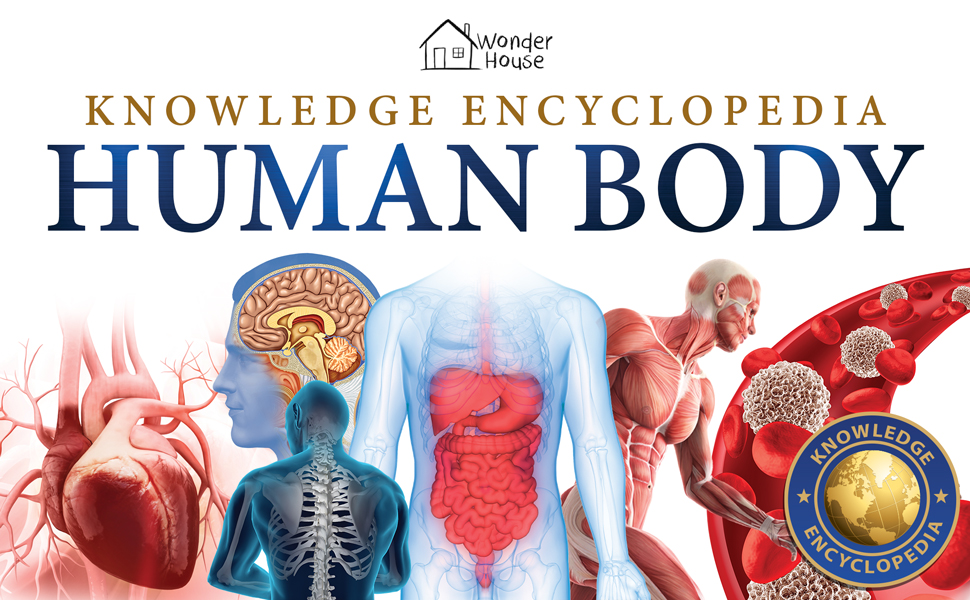
Description of Knowledge Encyclopedia - Human Body
Who it's for
A children's human body encyclopedia suits grade 3-4 readers, students building basic biology knowledge, and beginners who learn better with visuals. The book is in English, and reviews repeatedly call the content informative and useful for students rather than just a quick general-knowledge browse.
Families also mention that younger children enjoy looking through the pictures, although the fuller explanations are likely to land best with readers who are ready for more detailed text.
When you'd use it
A visual anatomy reference works well for school learning, curiosity-led reading at home, and body-parts questions that come up outside class. Buyers describe the book as engaging enough to read for interest, not only to complete an assignment.
The 192-page length also makes the hardcover format practical for dipping in by topic, then returning later when a child wants a refresher or a deeper look.
What makes it different
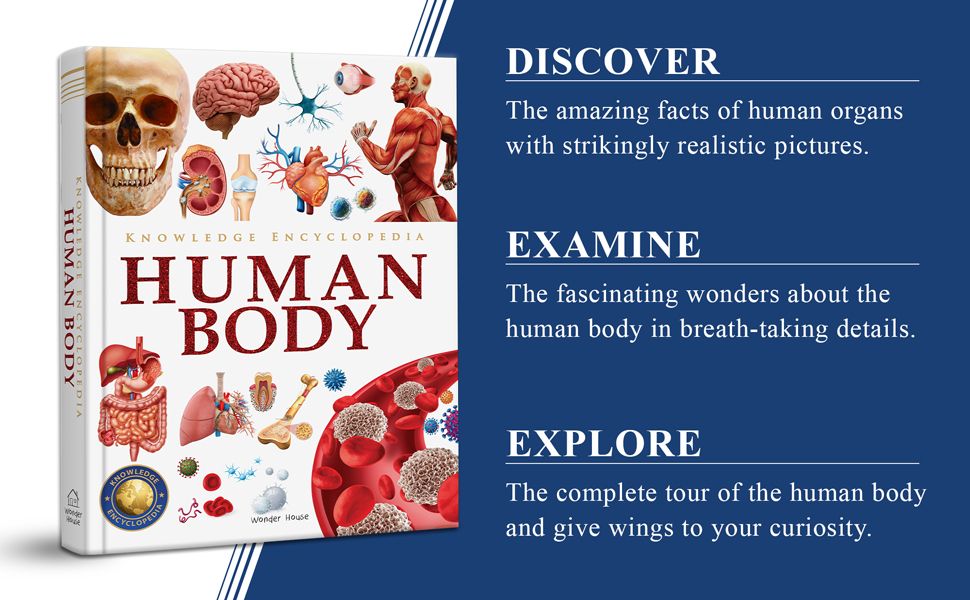
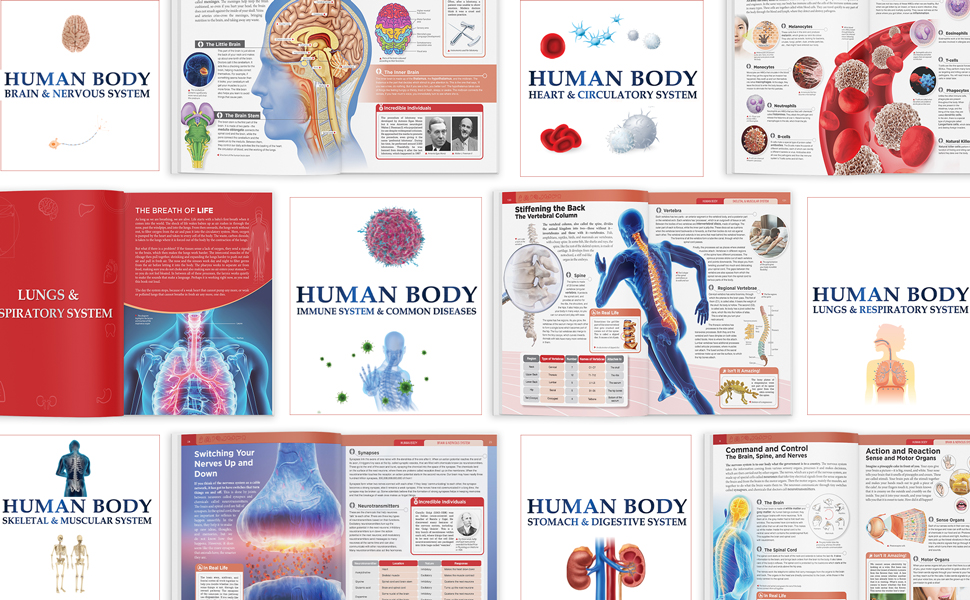
Detailed explanations paired with strong illustrations are the main reason the children's science book stands out to buyers. Reviewers repeatedly mention clear pictures, colorful pages, and useful information about how body parts work, which gives the book more substance than a very basic introduction.
Several comments also point to solid page quality, so the reading experience feels closer to a shelf reference book than a thin activity-style title.
What buyers say
Buyers respond most positively to the learning value of the children's reference book. The strongest feedback centers on informative content, enjoyable reading, and illustrations that make unfamiliar topics easier to follow.
Price opinions are more divided: many shoppers still feel the content and presentation justify the purchase, while some would have preferred a lower price point.
Good to know
Readability is generally positive, but the text level will not feel equally easy for every child. Some reviewers say the explanations are clear and easy to understand, while others note that children learning in the USA may find parts confusing.
Adult guidance may make the material easier to navigate for younger readers or for children who are still getting comfortable with English science vocabulary.