Description of Thinking, Fast and Slow by Daniel Kahneman
Who it's for
Choose this psychology paperback if you want a serious look at how people judge, decide, and misread situations. Reviewers repeatedly connect the book to behavioral science, psychology, economics, and professional growth, and many call it essential reading for understanding human behavior more deeply.
Despite a stated reading age of 10 years and up, buyer feedback points to a better fit for older teens and adults who are comfortable with dense nonfiction and willing to think through complex ideas.
When you'd use it
Read this book when you want to study, reflect, and revisit ideas rather than finish a quick weekend title. Several buyers say the material rewards full concentration, and one reader described it as a slow read that stayed compelling over months because the ideas kept raising new questions.
Long commutes, class preparation, note-taking sessions, and chapter-by-chapter reading are better matches than casual skimming. The format suits readers who like to pause, think, and return to earlier sections.
What makes it different
Look to this book for research-led thinking rather than simplified motivation. Top reviews say the author connects observations to experiments, statistics, and real decision-making, which gives the psychology material a more analytical feel than lighter introductions to the subject.
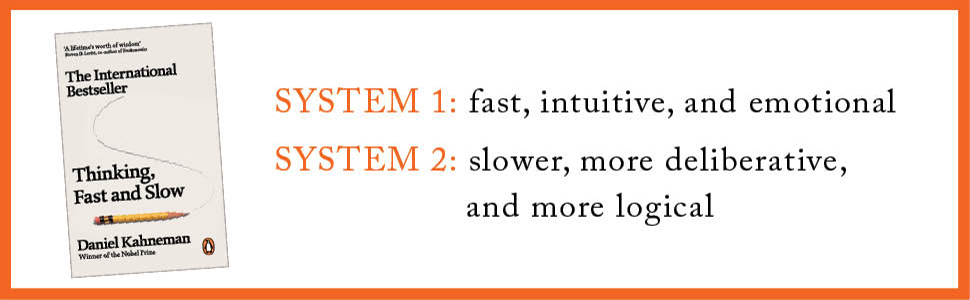
Many readers mention that the framework changes how they notice bias in everyday life, especially around snap judgments, reasoning, and choices.
What buyers say
Expect dense but thought-provoking content. Customers strongly praise the insight and substance, often saying the book changed how they look at everyday choices, bias, and reasoning; at the same time, readability feedback is mixed, with some readers finding parts engaging and others finding the language technical or repetitive.
That balance shows up often: shoppers value the ideas, but many do not treat the book as light reading.
Good to know
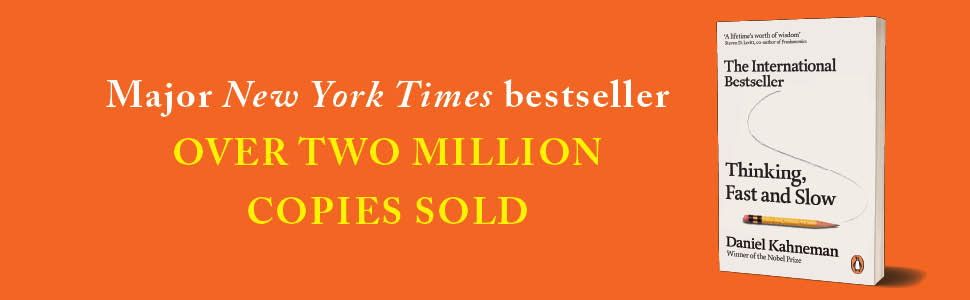
Plan for a long-form reading experience. The English paperback runs 624 pages and was published by Penguin, so most readers approach it gradually instead of trying to finish it quickly.
Paperback production quality gets mixed reactions. Some buyers are satisfied with the copy, while others mention small font and uneven paper quality, so reading comfort can depend on how sensitive you are to print size during longer sessions.